A copper plant buys equipment for a particular reason
If a pump fails today, the site wants to know how quickly it can replace it. If a copper plant is expanding, the design team wants to know what pump it can specify for the new installation. Both questions belong to Chilean copper mining, but they give a manufacturer two different conversations. To find business opportunities in Chilean mining, begin by finding the operations where the product belongs and whether those operations have a reason to consider it.
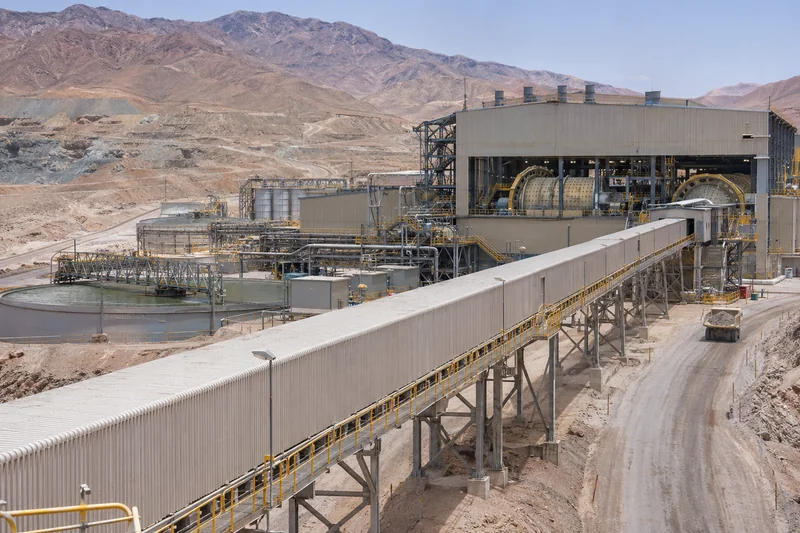
Take the concentrator, the plant that processes the ore. The rock is crushed and ground after mining. Flotation separates copper-bearing minerals from other material. A conveyor before the mill carries dry rock. A pump inside the concentrator may carry a liquid containing solid particles. A reference for dry material handling will tell an engineer little about pump wear. A supplier needs a record of a pump working with a comparable fluid, not simply a list of copper mining customers.
What Codelco and Escondida can tell a supplier
Codelco, Chile’s state-owned copper producer, describes supplier registration and the requirements for different categories on its website. This explains part of the purchasing process for a company looking to sell there. Registration does not tell you which site might need your equipment or who looks after that part of the plant. We would use the formal process and investigate the particular applications in parallel.
Escondida is a large copper operation in the Atacama Desert in northern Chile operated by BHP. BHP describes how the operation uses desalinated seawater. A valve company could investigate that supply system, but it first needs to ask where its valve might go. Seawater before treatment, a pressurised line to the mine and water used in the plant present different conditions. We would identify the most plausible location before looking for a contact. The scale of the operation is useful context, but does not establish demand for a particular valve.
Give the site something it can assess
A maintenance team replacing a worn part may need to know connection dimensions, materials and lead time. It also needs to know whether the job can fit into the outage, the time when a section of the plant can be taken out of service. If a pump is difficult to reach, the workshop will ask different questions from those it would ask about a pump installed in the open. The availability of wear parts matters when a long delivery time could delay the next repair.
On an expansion, establish when design decisions are due. An early approach may be useful while the engineers are considering alternatives. Once the specification is settled, any alternative needs to meet it or give the company a substantive reason to revisit it. We look for evidence about the project and the firm doing the design. Where public information identifies the designer, we record it. We check separately whether that firm also buys the relevant package or leaves procurement to the operator or another contractor.
Help the buyer pass your reference to a colleague
At a copper plant, one person may forward a message to the maintenance workshop or the engineer who knows the installation. The colleague receiving it may have no time to translate an entire catalogue. A short reference in Spanish can travel through the company if it shows where the equipment was installed, why the customer changed it and what was observed afterwards. A photograph or drawing can make the location clear without a long explanation.
Suppose your company can document the service life of a pump after a retrofit. We can start with the maintenance report and agree which details you can share. If the conditions at the Chilean site are unclear, the document can include the question your sales team needs to ask. The reference can then be amended when the customer responds, with the engineering evidence still traceable to the original report.
What VolzMarketing can do for your sales team
We can investigate a short list of Chilean operations and projects for one product. We record where it might fit, why that looks plausible and what still needs to be confirmed. Where an application is identifiable, we look for the responsible team and can prepare a first approach in Spanish. A data sheet, reference photographs or a record of a previous repair can give that approach a technical basis. Your company reviews the facts before the material is used.
This puts the first call in the hands of a sales team that can talk about an actual plant instead of repeating a company introduction. If you already know someone in Chile, we can start there and prepare for the meeting you have in mind. Tell us the product and, if you know it, the name of the operation. We can discuss whether you need research to identify contacts, an assessment of the local sales route or material to support a specific presentation.